

Skyline Property Surveys provides independent home buyers surveys across Scarborough and the wider Yorkshire coast, including Whitby, Filey, Bridlington and Driffield. We're Chartered Members of CABE, members of the RPSA, and RICS regulated, so every report meets the highest professional standards.
Clients describe our surveys as 'thorough, clear, and genuinely helpful'. In other words, reports you can actually use to make decisions, renegotiate, or move forward with peace of mind.


Why get a Home Buyers Survey?
Spot hidden defects
Avoid costly surprises
Stronger buyer leverage
Residential property surveys by Skyline Property Surveys go deeper than surface checks. We uncover issues you may not see, help you avoid expensive repairs later, and give you a clear report you can use to renegotiate or move forward with confidence.
Choosing the Right Survey Level
When buying a property in the UK, one of the most important parts of the decision-making process is having the right survey carried out. A property survey gives you an independent, professional view of the building’s condition, helping you understand what you are buying and avoid unexpected costs or surprises after completion.
A building survey is a detailed inspection of a property carried out by a qualified surveyor. It looks at the condition and performance of the main elements of the building, including the structure, roof, walls, floors, services, and general safety. The aim is to identify defects, highlight areas of concern, and explain where maintenance or repairs may be required, both now and in the future.
Not every property needs the same level of inspection, which is why different survey types exist. In the UK, these are typically categorised as Level 1, Level 2, and Level 3 surveys, each offering a different depth of detail depending on the age, type, and condition of the property.
Below, we explain the key differences between Level 1, Level 2, and Level 3 surveys, and when each one is most appropriate.
Level 1 Home Buyers Survey (basic)
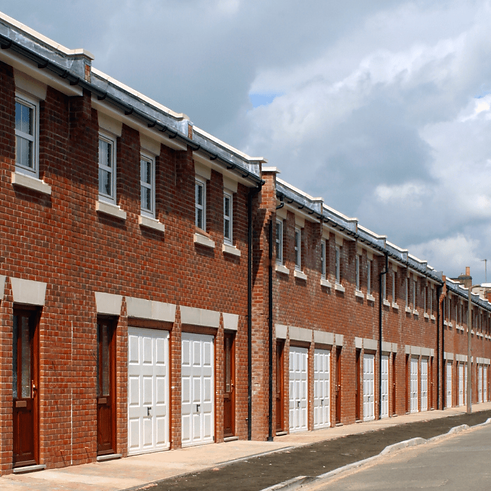
Overview: A Level 1 survey, often referred to as a Condition Report, is the most straightforward type of property survey. It is generally suited to newer homes or properties that appear to be in good condition, where no major issues are anticipated.
This survey provides a clear, high-level overview of the property’s condition. It highlights any visible defects, urgent concerns, or matters that may require attention, but it does not include detailed investigation or advice on repairs. The focus is on giving buyers a simple snapshot of the property’s overall state, rather than an in-depth analysis.
Best for: Newer homes (last 30–40 years) in seemingly good condition.
Key Features:
-
Visual-only inspection (no moving furniture or lifting carpets). Focuses on visible defects or potential risks.
-
Traffic-Light Ratings: The condition of different elements of the property (e.g., walls, roof, windows) is rated using a traffic-light system: Green: No repair needed. Amber: Defects that need repair but are not urgent. Red: Serious defects requiring immediate attention.
-
General overview: Notes on general issues like damp or insulation.
-
Flags visible legal issues: such as boundary concerns.
-
Does not provide detailed advice on repairs or maintenance.
-
No in-depth analysis of defects or potential future problems.
-
Not suitable for older or heavily altered homes.
-
Does not include a property valuation.
If you’re confident the home is in good shape but want reassurance.
Level 2 Home Buyers Survey (most popular)
Overview: A Level 2 survey, commonly known as a HomeBuyer Report, offers a more detailed inspection and is suitable for most conventional properties that appear to be in reasonable condition.
The survey focuses on the visible and accessible parts of the property, assessing key elements such as the roof, walls, floors, and services. It highlights defects, areas of deterioration, and potential risks, and explains their significance in clear terms so buyers understand what needs attention and why.
Best for: Homes built since the 1930s in generally sound condition.
Key Features:
-
Visual Inspection: A thorough check of the property’s interior and exterior.
-
Major Defects Identification: Highlights significant structural issues.
-
Key Structural Components: Roofing, Walls & Flooring Inspection.
-
Traffic Light Rating: Uses a clear red, amber, and green system to indicate urgency of issues.

Limitations:
-
No In-Depth Structural Analysis: Unlike a Level 3 survey, it does not include an invasive inspection or detailed structural assessment.
-
Limited Scope: It only covers visible and accessible areas, meaning hidden defects may go undetected.
-
No Specialist Tests: Does not include gas, electrical, or drainage inspections, which may require separate surveys.
When to choose a level 2 home buyers survey:
A level 2 survey is not suitable for complex properties. For older, non-standard, or extensively renovated properties, you will likely require a more detailed (level 3) survey.
Level 3 Building Survey (most detailed)
Overview: A Level 3 survey, often referred to as a Building Survey, is the most detailed and comprehensive type of property survey available. It is suited to older, altered, or non-standard properties, or where there are known or suspected issues.
This survey involves a thorough inspection of all accessible areas of the property and provides detailed commentary on the building’s construction, condition, and performance. It explains defects in depth, considers the likely causes, and outlines the implications and recommended next steps, helping buyers fully understand the risks and responsibilities involved in owning the property.
Best for: Older, altered, unusual, or complex properties, including buildings dating from before 1900, and homes where alterations are planned.
Key Features:
-
Comprehensive assessment: A detailed evaluation of the building, its construction, defects, and associated risks.
-
In-depth visual inspection: A thorough inspection with deeper analysis of construction methods and building behaviour.
-
Clear, narrative reporting: Findings are explained in plain English, without relying on traffic-light condition ratings.
-
Defects explained properly: Identifies defects, their causes, severity, and likely future deterioration.
-
Repair and future planning guidance: Provides professional advice on repair options, materials, methods, and long-term performance.
Limitations:
-
Higher cost: More detailed and time-intensive than Level 1 and Level 2 surveys.
-
Non-invasive: The survey remains visual unless additional investigations are agreed separately.
-
No automatic valuation: A valuation is not included as standard but can be added if required.
When to choose a level 3 building survey:
A Level 3 survey is the right choice for buyers of older or non-standard properties, or for those planning alterations, where a deeper understanding of the building is essential.

At a Glance: How Property Surveys Compare
To help you choose with confidence, the table below compares the scope and suitability of Level 1, Level 2, and Level 3 surveys.
Buying an older or listed property?
Traditional and heritage buildings need a surveyor who genuinely understands how they were built, not just what's wrong with them. From Victorian terraces to stone farmhouses, we carry out Level 3 surveys on period properties across Yorkshire, with the specialist knowledge to match.
What’s Included in our Expert Building Surveys?
Exterior
-
Main walls (construction type, materials, structural behaviour, and DPC position assessed, including implications for damp risk)
-
Roof structure and coverings, including materials, detailing, and defects (with drone inspection used where weather conditions allow)
-
Chimney stacks and roof penetrations, including construction and stability (with drone inspection used where weather conditions allow)
-
External walls finishes, including render, cladding, pointing, and material compatibility
-
Windows and doors (materials, condition, detailing, and likely lifespan)
-
Rainwater goods and drainage systems, including design and effectiveness (with drone inspection used where weather conditions allow)
-
External joinery, features, and attachments
-
Bay windows, projections, balconies, and structural features
-
External ground levels and their relationship to DPC and damp risk
-
Drainage systems, including inspection chambers, layout, and condition
-
Paths, drives, patios, steps, and retaining structures
-
Boundary treatments, walls, and fences (condition and stability)
-
Garages and permanent outbuildings (where accessible)
Interior
-
Ceilings, internal walls, and partitions (construction, movement, cracking, and defects)
-
Floors (construction, support, condition, and performance)
-
Internal doors, frames, and joinery (condition, detailing, and operation)
-
Windows and glazing (condition, detailing, and performance internally)
-
Stairs, landings, and balustrades (construction, condition, and safety risks)
-
Kitchen areas (condition, layout, visible defects, and implications for use and maintenance)
-
Bathroom and WC areas (condition, moisture risk, ventilation effectiveness, and finishes)
-
Chimney breasts, fireplaces, and flues (construction, alterations, support, and defects where visible)
-
Loft space (roof structure, insulation, ventilation, fire separation, and defects where accessible)
-
Built-in fittings and cupboards (inspection where accessible)
-
Evidence of damp, condensation, and mould (mechanisms, causes, and risk)
-
Fire separation, escape routes, and internal safety considerations (non-intrusive)
-
Internal finishes (materials, defects, and likely maintenance requirements)
Services & Compliance
-
Electrical installation (visual condition, age, and limitations explained; recommendation for specialist testing where appropriate)
-
Gas installation (visual condition and safety considerations noted; Gas Safe inspection advised where relevant)
-
Heating system (type, distribution, visible defects, and performance considerations)
-
Plumbing system (materials, layout, visible defects, and leak risk)
-
Hot and cold water systems (configuration, storage, and performance considerations)
-
Drainage systems (visible layout, access points, and condition; limitations explained)
-
Ventilation systems (adequacy, moisture risk, and compliance considerations)
-
Smoke alarms and carbon monoxide alarms (coverage, positioning, and compliance awareness)
-
Compliance considerations (commentary on relevant Building Regulations, safety standards, and limitations of non-intrusive inspection)
-
Ventilation and extraction strategy considered in relation to moisture risk
-
Renewable or alternative systems commented on in terms of condition, limitations, and maintenance implications

More than a Survey
When you choose Skyline Property Surveys, the survey is the beginning of the relationship, not the end of it.
We talk you through what we found, help you work out your next move, whether that's renegotiating, going back to the seller, or planning repairs, and we stay in your corner right up until you collect the keys. Put the kettle on, offer us a brew and a biscuit, and we'll still be happy to come and talk things through a year down the line.
If you're taking on a renovation, we can also point you towards architects, roofers and builders we know and trust, people who do good work and who we're happy to put our name alongside.
Why Choose Skyline Property Surveys for a Residential Building Survey
When you’re making one of the biggest investments of your life, you need more than a tick-box report. You need a surveyor who’s clear, thorough, and on your side.
Here’s why buyers across Yorkshire trust Skyline:
Professional & accredited
We’re Chartered Members of CABE and proud members of the RPSA, Regulated by RICS, so you know every report meets high professional standards.
Detailed & actionable reports
No vague “seek further advice.” We tell you what’s wrong, why it matters, and what to do next.
Approachable expertise
Clients say Ricky is “friendly, clear, and goes above and beyond.” You’ll always get plain-English explanations, not jargon.
Local knowledge
Based in Scarborough, we know the Yorkshire coast's housing inside out. We understand the Victorian and Edwardian terraces, the exposed seafront properties that take a battering from salt and weather, the period stone cottages, and the newer estates around Driffield. That local insight means we know what to look for before we even arrive.
Trusted by homebuyers
Dozens of 5-star reviews describe our surveys as “comprehensive,” “extremely thorough,” and “a company that truly cares.”
Home Buyers Survey Frequently Asked Questions
If you have any other questions, please don't hesitate to contact us.
Areas We Cover
We carry out home buyers surveys across:
-
Scarborough
-
Whitby
-
Filey
-
Bridlington
-
Driffield
-
Malton
-
Pickering
If you are unsure whether we cover your area, please get in touch.